English
 Español
 Français
 Deutsch
How to Use Herbal Oils: A Complete Daily Routine Guide
Tabib Wellness Blog · English
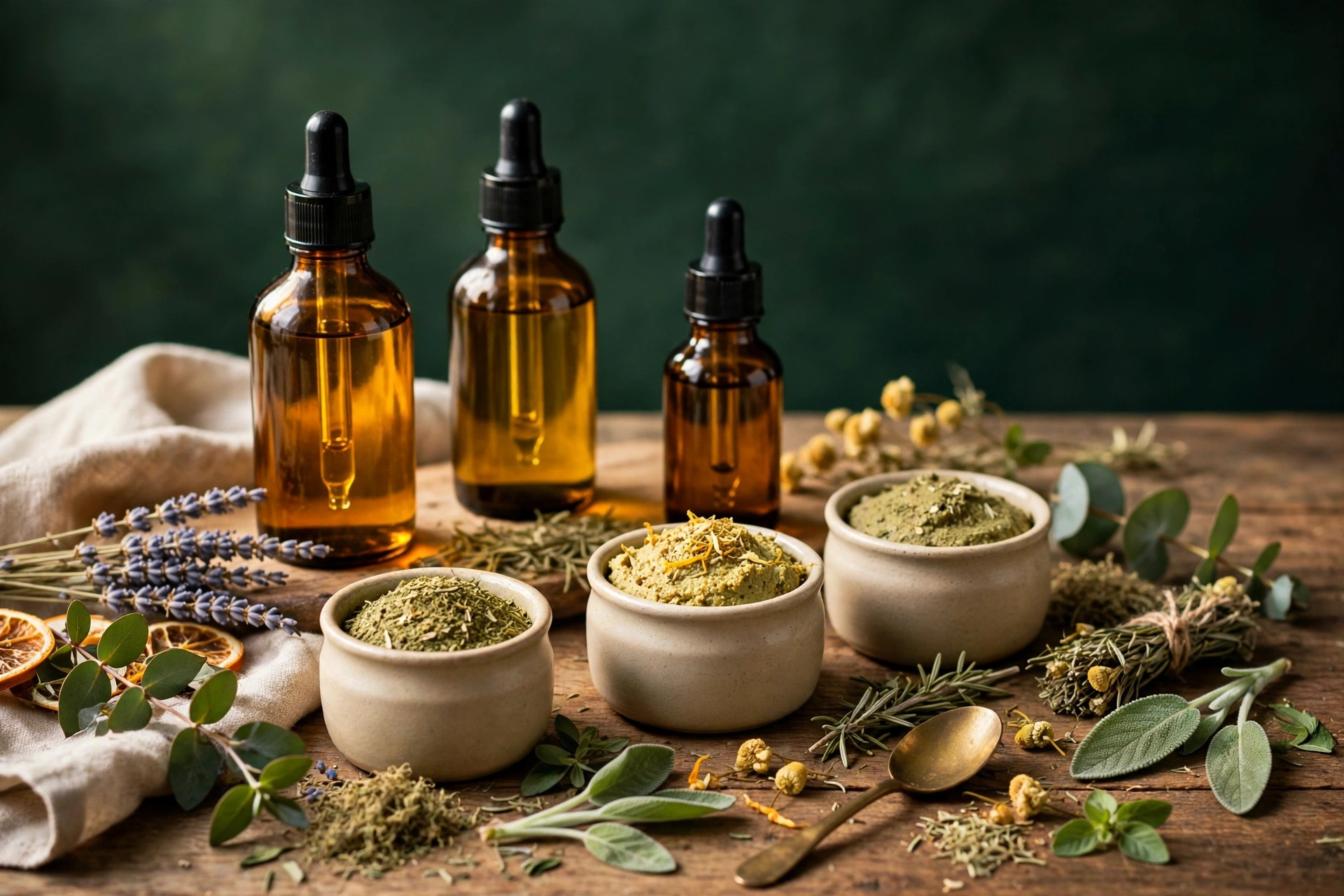
Herbal oils have been part of traditional Unani and home wellness routines for generations. A good oil, used the right way, becomes a small daily ritual that supports the skin, the hair and general relaxation. Used the wrong way, most of it is simply wiped off, washed away too early, or wasted on skin that was never prepared to absorb it. This guide explains the complete routine: when to apply herbal oil, how much to use, how to massage it in, how long to leave it, and the common mistakes that reduce its effect.
Why a Routine Matters More Than the Oil Itself
Two people can use the same bottle and get completely different results. The difference is almost never the oil; it is the routine. Herbal oils work through regular, patient application. A single heavy application once a month does far less than a light application repeated on schedule. Before you judge any oil, give it a fair routine of at least a few weeks, applied the same way each time, and note the difference honestly.
Step 1: Choose the Right Time of Day
The best time to apply herbal oil is when it can stay on the skin or hair undisturbed. For most people that means the evening, or at least one to two hours before a bath or shower. Applying oil immediately before washing means most of it goes down the drain. If your routine is in the morning, apply the oil first, finish your other tasks, and wash afterwards. On rest days, a longer application of several hours is ideal.
Step 2: Prepare the Skin or Hair
Oil absorbs best on clean, slightly warm surfaces. Wash away dust and sweat first, then pat dry so the surface is dry to the touch but not stripped. Warmth helps: many people warm the bottle briefly in a bowl of warm water, or warm a few drops between the palms before applying. Never heat herbal oil directly on a flame or in a microwave, as high heat can damage its natural compounds and create a burn risk.
Step 3: Use the Right Amount
More oil is not better oil. Start with a small quantity, a few drops for a small area or a teaspoon for the scalp, and spread it thinly and evenly. The surface should look lightly coated, not dripping. You can always add a little more to dry patches. Using too much makes the routine unpleasant, stains clothes and pillows, and discourages you from repeating it, and consistency is what actually delivers results.
Step 4: Massage With Patience
Massage is half the treatment. Use the pads of your fingers, not the nails, and work in slow, small circles with gentle pressure. For the scalp, move the skin slightly rather than scrubbing the hair. For the body, use long strokes towards the heart on limbs and circles on joints. Five to ten minutes of unhurried massage improves contact, spreads the oil evenly and turns the application into a relaxing ritual rather than a chore.
Step 5: Let It Stay, Then Wash Gently
After massage, leave the oil on for at least 30 to 60 minutes; overnight is fine for hair if you protect the pillow with an old towel or cap. When washing, use lukewarm water and a mild cleanser. Very hot water and harsh shampoos strip away both the oil and the skin's natural moisture, undoing much of the benefit. Pat dry instead of rubbing hard with a towel.
Common Mistakes to Avoid
- Applying to dirty skin or hair: dust and sweat block absorption.
- Washing off too soon: give the oil at least half an hour.
- Using too much at once: thin, regular layers beat one heavy application.
- Skipping days: an irregular routine is the most common reason oils "don't work".
- Mixing many products together: test one oil at a time so you know what suits you.
- Ignoring a patch test: apply a small amount first if your skin is sensitive.
How to Store Herbal Oils
Keep the bottle tightly closed, away from direct sunlight and heat, ideally in a cool cupboard. Sunlight and air slowly degrade natural oils. Check the smell and colour before use; if an oil smells sharp or rancid, or looks abnormal, do not use it. Note the opening date on the label if you use several bottles in rotation.
A Final Word on Safety
Herbal oils are wellness products for external use unless the label states otherwise. Do not apply them to broken skin, and stop using any oil that causes itching, redness or discomfort, and consult a doctor if the reaction continues. If you have a skin condition or are under treatment, ask your doctor before adding a new oil to your routine. Used patiently and correctly, a simple oil routine is one of the easiest traditional habits to keep.
Related: Golden Shahi Capsule — how to use it correctly, as per the label →